A DUI warrant issued in another state is valid and enforceable in California. This means that if you have an outstanding DUI warrant from any state in the U.S., California law enforcement can arrest you and begin legal proceedings based on that warrant. California participates in national law enforcement databases and interstate agreements that allow for the recognition and enforcement of out-of-state warrants. These systems ensure that warrants are visible to police officers during routine traffic stops, background checks, or other official interactions. As a result, you cannot avoid a DUI warrant by simply moving to or traveling through California.
The enforcement of out-of-state DUI warrants in California is supported by both federal and state laws. The National Crime Information Center (NCIC) database, maintained by the FBI, contains records of all active warrants across the country. When a California officer runs your name or license plate, they can instantly see if you have a warrant from another state. Additionally, California follows the Interstate Compact on Supervision of Parolees and Probationers and cooperates with the Driver License Compact (DLC), which shares information about traffic violations and warrants. This interconnected system makes it nearly impossible to evade legal consequences for a DUI warrant issued elsewhere.
How California Recognizes Out-of-State DUI Warrants
California treats DUI warrants from other states as legally binding through a combination of federal databases, interstate compacts, and state enforcement policies. When a warrant is issued in another state for a DUI offense, it is entered into the NCIC database, which is accessible to all law enforcement agencies nationwide. California police officers routinely check this database during traffic stops, arrests, or background checks. If a match is found, the officer has the authority to detain the individual and notify the issuing state. California courts and law enforcement agencies do not question the validity of properly filed out-of-state warrants, especially when they involve serious offenses like DUI.
National Crime Information Center (NCIC) Database
The NCIC is a central electronic repository managed by the FBI that stores criminal justice data, including arrest warrants. When a DUI warrant is issued in any state, it is uploaded to the NCIC within 24 to 48 hours. California law enforcement uses this database in real time. During a traffic stop, an officer can run your name, date of birth, or license plate through the system. If an active DUI warrant appears, the officer is required to confirm it with the issuing agency and may place you under arrest. The NCIC entry includes the warrant number, issuing court, charge description, and bail amount.
- Warrants remain active until resolved or recalled by the issuing court
- NCIC data is updated daily and accessible 24/7
- False positives are rare due to multi-field verification (name, DOB, SSN)
Interstate Compacts and Legal Agreements
California participates in several interstate compacts that facilitate the enforcement of out-of-state warrants. The most relevant is the Interstate Compact for Adult Offender Supervision (ICAOS), which governs probation and parole across state lines. While primarily for supervision, it also supports warrant enforcement. Additionally, the Driver License Compact (DLC) requires member states—including California—to report serious traffic offenses, including DUI convictions and warrants, to the driver’s home state. This ensures that even if you are cited in California for a DUI-related issue, your home state will be notified and can act on its warrant.
California Law Enforcement Protocol
California police departments follow strict protocols when encountering out-of-state warrants. Officers are trained to verify the warrant through the NCIC and contact the issuing jurisdiction for confirmation. If the warrant is confirmed, the individual may be held in custody until arrangements are made for extradition or voluntary surrender. In some cases, the issuing state may request that California hold the person for up to 30 days while they prepare extradition documents. California courts do not require a new warrant to be issued locally; the original out-of-state warrant is sufficient for arrest and detention.
How to Check for an Out-of-State DUI Warrant in California
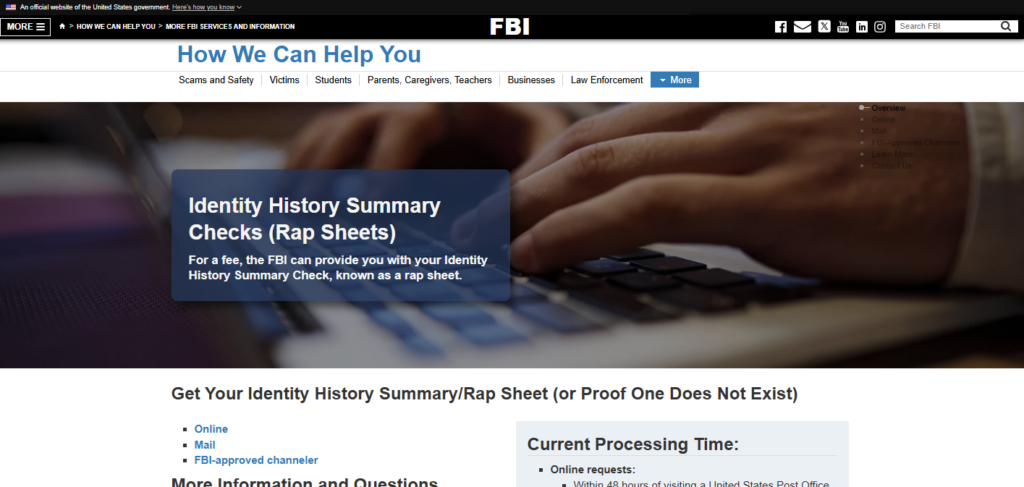
You can check for an active DUI warrant from another state that may be enforceable in California using official government tools. The most reliable method is through the FBI’s Identity History Summary Check, but this requires a fingerprint submission. A more accessible option is using state-specific court websites or third-party services that aggregate public records. However, the most accurate and immediate way is through direct contact with the court or law enforcement agency in the state where the warrant may have been issued.
Using the FBI Identity History Summary Check
The FBI offers a service called the Identity History Summary Check, which provides a copy of your criminal record, including any warrants. This is the most comprehensive method, but it requires fingerprinting at an approved location. You must submit Form FD-258 along with a fee. The results include all arrests, charges, and warrants nationwide, including DUI warrants from other states. This report is official and can be used to verify whether a warrant exists and whether it is still active.
- Visit the FBI’s official website: https://www.fbi.gov/how-we-can-help-you/more-fbi-services-and-information/identity-history-summary-checks
- Locate an approved fingerprinting site near you
- Submit fingerprints and a completed FD-258 form
- Receive results by mail within 12 weeks
Checking State Court Websites Directly
Many states allow you to search for warrants online through their court systems. For example, Arizona’s eAccess system lets you search by name and date of birth. To check for a DUI warrant from a specific state, go to that state’s judicial website and look for a “Case Search” or “Warrant Lookup” tool. Enter your full legal name and date of birth in the required fields. The system will return any active cases, including DUI warrants. Note that not all states have public warrant databases, so this method may not be available everywhere.
- Go to the official court website of the state in question (e.g., courts.ca.gov for California)
- Click on “Case Search” or “Public Access to Court Records”
- Type your full name in the “Party Name” field
- Enter your date of birth in MM/DD/YYYY format
- Click “Search” and review results for any DUI-related charges or warrants
Third-Party Background Check Services
Websites like TruthFinder, Instant Checkmate, or BackgroundChecks.com offer warrant searches for a fee. These services scan public records, including court databases, and compile reports. While convenient, they are not always up to date and may include outdated or incorrect information. Always verify any findings with an official source. These tools are best used as a preliminary check, not a legal confirmation.
Legal Consequences of an Out-of-State DUI Warrant in California
Being subject to an out-of-state DUI warrant in California carries serious legal consequences. These include potential arrest, detention, extradition, license suspension, and impacts on employment and housing. The severity depends on the nature of the warrant, whether it is for failure to appear, probation violation, or a new DUI charge. California does not distinguish between in-state and out-of-state warrants when it comes to enforcement. Once identified, the warrant triggers a chain of legal actions that can disrupt your life significantly.
Arrest and Detention Procedures
If a California officer discovers an active DUI warrant from another state, they can arrest you immediately. You will be taken to a local jail and processed. The officer will contact the issuing state to confirm the warrant details. Depending on the state’s request, you may be held for up to 30 days while extradition is arranged. During this time, you have the right to contact an attorney and request a hearing. However, California courts generally honor valid out-of-state warrants and do not release individuals solely based on jurisdictional arguments.
- Arrest occurs during a traffic stop, a background check, or a routine police interaction
- Booking includes fingerprinting and photographing
- The issuing state is notified and given 10 days to initiate extradition
- If no response, California may release the individual after 30 days
Extradition Process and Your Rights
Extradition is the legal process by which one state returns a person to another state to face charges. If the issuing state requests extradition, California must comply unless the warrant is invalid or the person contests it. You have the right to waive extradition, meaning you agree to return voluntarily, or to fight it in court. Fighting extradition requires proving the warrant is fraudulent or that you are not the person named. Most courts dismiss such claims unless supported by strong evidence. Extradition typically takes 30 to 90 days, during which you may remain in custody unless bail is granted.
Impact on California Driver’s License
Even if you are not a California resident, an out-of-state DUI warrant can affect your driving privileges in the state. The California Department of Motor Vehicles (DMV) receives notifications from other states through the DLC and Non-Resident Violator Compact (NRVC). If you are arrested in California due to an out-of-state DUI warrant, the DMV may suspend your driving privilege in California. This suspension can last until the warrant is resolved. Additionally, if you hold a California license, the DMV will be notified of the warrant and may take administrative action, including license revocation.
| Action | Consequence |
| Failure to resolve the warrant | Possible California license suspension |
| Conviction in the home state | Permanent mark on driving record |
| Mandatory reporting to the California DMV | Mandatory reporting to California DMV |
Can You Be Arrested in California for an Out-of-State DUI Warrant?
Yes, you can be arrested in California for an out-of-state DUI warrant. California law enforcement officers have the authority to detain and arrest individuals based on warrants issued in other states. This applies even if the warrant is for a misdemeanor DUI or a failure to appear in court. The arrest can occur during a routine traffic stop, at a border checkpoint, or during any interaction with police. Once arrested, you will be taken into custody, and the issuing state will be notified.
Arrest During a Traffic Stop
One of the most common ways an out-of-state DUI warrant leads to arrest in California is during a traffic stop. If you are pulled over for any reason—such as speeding, broken taillight, or erratic driving—the officer will run your license and name through the NCIC database. If a DUI warrant appears, the officer will confirm it and place you under arrest. You do not need to be driving under the influence at the time; the mere existence of the warrant is sufficient for arrest.
Arrest at Airports or Border Checkpoints
California has several major airports and border checkpoints where law enforcement conducts background checks. If you are traveling through Los Angeles International Airport (LAX) or crossing from Mexico, officers may run your name through federal databases. An active DUI warrant from another state will trigger an alert, leading to your detention. This is especially common for individuals with prior criminal records or those on probation.
Arrest During a Background Check
Employers, landlords, or government agencies may conduct background checks that reveal an out-of-state DUI warrant. While this does not lead to immediate arrest, it can prompt law enforcement to locate and detain you. Some employers may report the warrant to the police, especially if the job involves driving or public safety. Additionally, if you apply for a professional license in California, the licensing board may notify authorities of the warrant.
How to Resolve an Out-of-State DUI Warrant Affecting California
Resolving an out-of-state DUI warrant that is enforceable in California requires direct action with the issuing state. You cannot resolve it through the California courts or agencies. The process involves contacting the court or prosecutor in the state where the warrant was issued, appearing in court, and satisfying all legal requirements. Failure to do so will result in continued enforcement in California and other states.
Contacting the Issuing Court
The first step is to identify the court that issued the warrant. This information is usually available through the NCIC or by calling the police department in the jurisdiction where the DUI occurred. Once identified, contact the court clerk by phone or email. Request details about the warrant, including the case number, charges, and next steps. Many courts allow you to pay fines, schedule a court date, or enter a plea by mail or phone.
- Call the court during business hours (typically 8:00 AM to 5:00 PM local time)
- Provide your full name, date of birth, and case number if known
- Ask if the warrant can be resolved remotely or if you must appear in person
- Request a payment plan or reduction in fines if applicable
Hiring an Attorney in the Issuing State
If the warrant involves serious charges or potential jail time, hire a criminal defense attorney licensed in the state where the warrant was issued. The attorney can appear on your behalf, negotiate a plea deal, or request a dismissal. They can also advise whether you need to travel to that state for a court appearance. Many attorneys offer remote consultations and can handle most proceedings without your physical presence.
Voluntary Surrender and Extradition Waiver
If you are currently in California and wish to resolve the warrant, you may choose to voluntarily surrender. Contact the issuing state’s court or prosecutor and inform them of your location. They may allow you to waive extradition, meaning you agree to return without a formal extradition process. This can speed up resolution and reduce jail time. Once surrendered, you will appear in court and follow the legal process to clear the warrant.
| Agency | Address | Phone | Hours |
| California Department of Motor Vehicles (DMV) | 2415 1st St, Sacramento, CA 95818 | (800) 777-0133 | Mon-Fri: 8:00 AM – 5:00 PM |
| California Courts Self-Help Center | 4100 Central Ave, Riverside, CA 92506 | (800) 700-INFO | Mon-Fri: 8:00 AM – 4:00 PM |
| FBI Criminal Justice Information Services | 1000 Custer Hollow Rd, Clarksburg, WV 26301 | (304) 625-3000 | Mon-Fri: 8:00 AM – 4:30 PM EST |
FAQ: Are DUI warrants issued in another state valid in California?
People often have questions about how DUI warrants from other states are handled once they are in California. Because criminal warrants are shared nationwide through federal law enforcement systems, their enforcement is not limited by state borders or local jurisdiction. The following FAQs explain how out-of-state DUI warrants are treated in California, what legal consequences may apply, and what rights a person may still have in such situations.
Can California arrest me for a DUI warrant from a state that doesn’t have an extradition agreement?
Yes. All U.S. states, including California, recognize and enforce DUI warrants from any other state through the NCIC database and federal law. There is no state that is exempt from warrant enforcement. Even if a state has limited extradition resources, California will still detain you and notify the issuing jurisdiction. The U.S. Constitution’s Full Faith and Credit Clause requires states to honor each other’s legal orders, including warrants. Therefore, a DUI warrant from any state is valid and enforceable in California regardless of bilateral agreements.
Will my California driver’s license be suspended if I have an out-of-state DUI warrant?
Possibly. If you hold a California driver’s license, the DMV may suspend it upon learning of an out-of-state DUI warrant. This happens through the Driver’s License Compact, which requires states to report serious traffic offenses. Even if the warrant is not from California, the DMV can take administrative action. Suspension typically occurs after arrest or formal notification from the issuing state. You will receive a notice by mail and have the right to request a hearing. However, the suspension remains until the warrant is resolved.
Can I fight an out-of-state DUI warrant while in California?
Yes, but only through the courts in the state that issued the warrant. California courts do not have jurisdiction to dismiss or modify out-of-state warrants. You must contact the issuing court and file a motion to quash or dismiss the warrant. Common grounds include mistaken identity, expired statute of limitations, or procedural errors. You may need to hire an attorney in that state to represent you. If you are arrested in California, you can also challenge extradition by proving the warrant is invalid or that you are not the named individual.
How long can California hold me for an out-of-state DUI warrant?
California can hold you for up to 30 days while the issuing state prepares extradition documents. This is governed by the Uniform Criminal Extradition Act, which both California and other states follow. If the issuing state does not request extradition within 10 days or fails to provide documentation within 30 days, California must release you. However, the warrant remains active, and you can be re-arrested if you travel to that state or are stopped again by police.
Does a DUI warrant from another state appear on a California background check?
Yes. Background checks conducted in California, whether for employment, housing, or licensing, often include national criminal databases like NCIC. If you have an active DUI warrant from another state, it will likely appear in the report. Employers and agencies may disqualify you based on this information. Even if the warrant is old or minor, it can raise red flags. To avoid surprises, resolve the warrant before applying for jobs or licenses in California.